Acoustic Shield Targets Low‑Flying Drones: Czech AI System Could Redefine Urban Defense
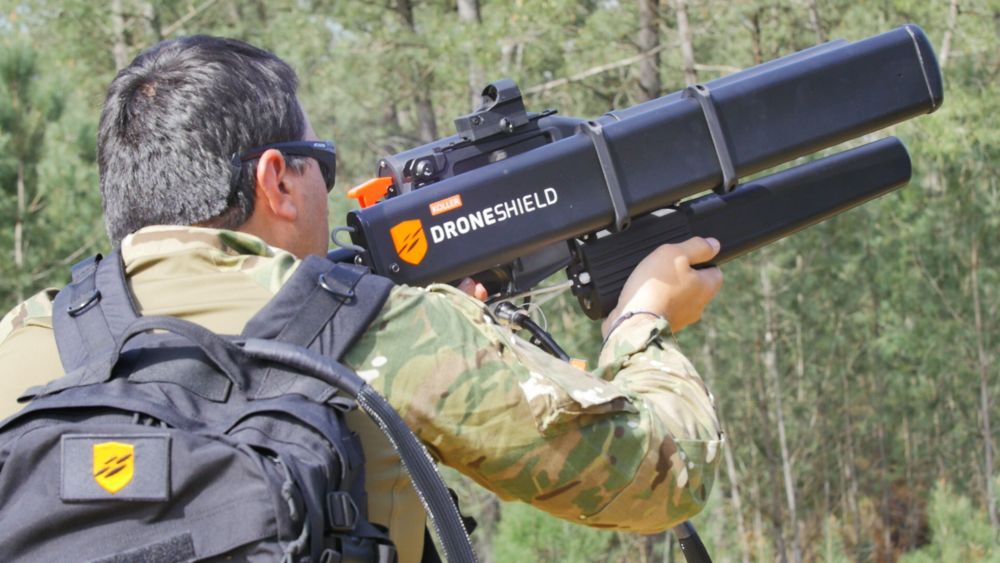
The Rise of Drone Threats
Modern unmanned aerial vehicles have moved beyond hobbyist skies and become a pervasive challenge for security professionals, law enforcement, and military forces. Their small size and quiet operation enable them to slip past traditional radar and visual detection systems, especially when flying at low altitudes. In conflict zones and crowded urban environments, these devices can gather intelligence, deliver payloads, or simply create disruption, prompting a race to develop countermeasures that can neutralize them without collateral damage.
How the Acoustic Shield Works
Researchers in the Czech Republic have unveiled an AI‑driven acoustic shield designed to detect and neutralize low‑flying drones. The system relies on a network of high‑sensitivity microphones that capture the subtle sound signatures of rotor blades. A machine‑learning model continuously analyzes these patterns, distinguishing drones from background noise such as traffic or wind. Once a threat is identified, the shield emits focused sound waves that interfere with the drone’s flight control electronics, causing it to lose stability and descend safely.
Key Components
- Microphone array – Distributed across a perimeter to provide 360° coverage.
- Real‑time signal processing – Converts raw audio into actionable data.
- AI classification engine – Learns from new drone models and flight profiles.
- Directional acoustic emitter – Projects disruptive sound only toward the detected target.
Why Traditional Counter‑Drone Methods Fall Short
Conventional approaches often depend on visual or radio frequency detection, which struggle with drones that operate silently or use encrypted communication. Jamming radio signals can also affect legitimate devices and may be illegal in certain jurisdictions. Physical interception, such as netting or kinetic interceptors, risks damage to property and can be impractical in densely populated areas. The acoustic shield offers a non‑kinetic alternative that targets the drone’s aerodynamic stability rather than its communication link.
The Czech AI Approach: Advantages and Limitations
The Czech solution stands out for its passive detection capability and minimal collateral impact. Because it relies on sound, it can identify drones before they enter a visual range, providing an early warning window. The AI component allows the system to adapt to evolving drone designs without requiring hardware upgrades. However, the technology is not a silver bullet. Very high‑altitude flights remain outside its scope, and extreme ambient noise environments can degrade performance. Ongoing refinement aims to improve robustness in challenging acoustic conditions.
Potential Real‑World Impacts
- Public safety – Airports, stadiums, and critical infrastructure could deploy the shield to protect crowds from rogue drones.
- Military operations – Ground units in contested zones may use it to secure perimeters without resorting to lethal force.
- Privacy concerns – The system’s reliance on continuous audio monitoring raises questions about data handling and surveillance, prompting calls for transparent governance frameworks.
- Integration with existing security layers – The acoustic shield can complement radar and visual sensors, creating a multi‑modal defense network.
Takeaway
The Czech AI acoustic shield illustrates how innovative use of sound and machine learning can address the growing threat of low‑flying drones. By offering a non‑lethal, early‑detection method that sidesteps the limitations of traditional counter‑drone tools, it opens a new avenue for protecting both people and property. While challenges remain, the concept signals a shift toward more nuanced, adaptable defense strategies that could soon become a common sight in cities worldwide.