Samsung Galaxy Z Flip 8’s Dual‑Chipset Strategy: What the Leak Means for Foldables
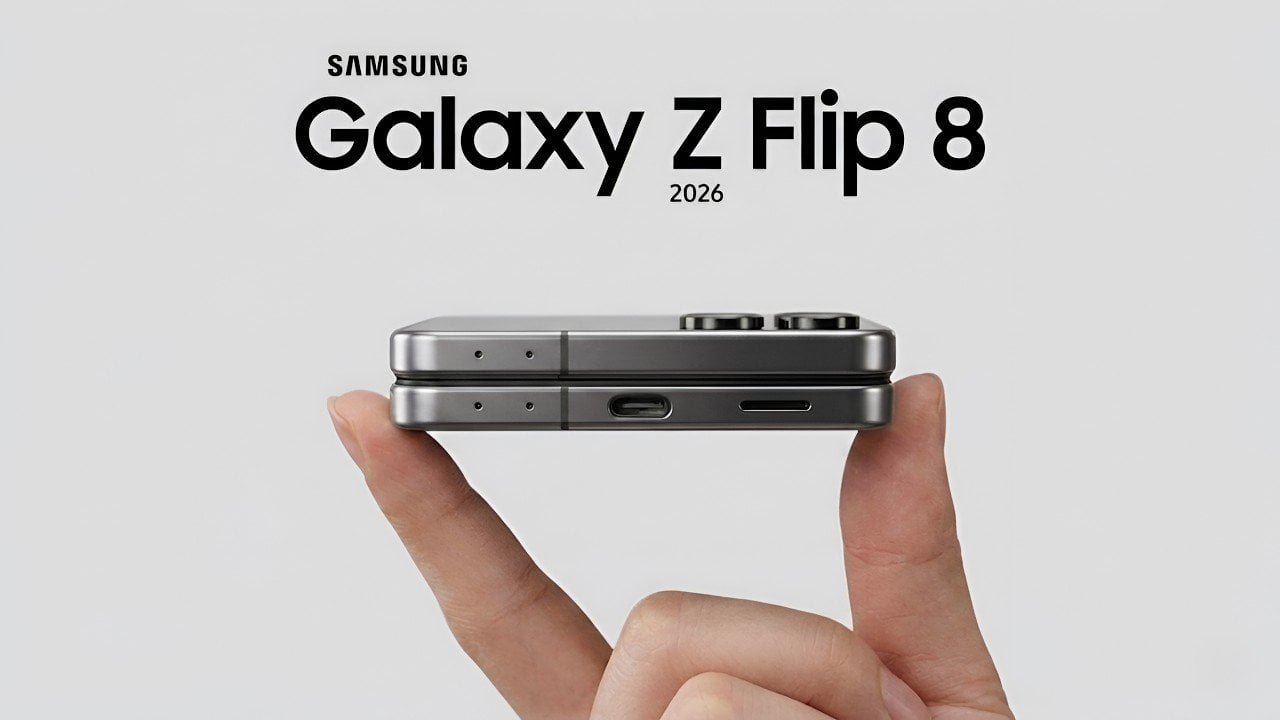
The Dual‑Chipset Shift in Samsung’s Foldable Lineup
The upcoming Samsung Galaxy Z Flip 8 has surfaced in a leak that hints at a radical change in how the company powers its foldables. Instead of relying on a single system‑on‑chip (SoC) across all regions, Samsung is reportedly preparing two distinct processors for the same device. This marks the first time a flagship flip phone would ship with a choice between an in‑house Exynos solution and a partner’s offering, setting the stage for a new era of performance flexibility.
Why Two Processors Matter
- Regional customization – Different markets have varying network standards and power requirements. A dual‑chip strategy lets Samsung fine‑tune each variant without compromising on speed or efficiency.
- Performance vs. efficiency trade‑off – The Exynos line has historically emphasized power‑efficient cores, while partner chips often push higher clock speeds. Offering both lets the Z Flip 8 target power users and ultra‑thin design enthusiasts simultaneously.
- Supply chain resilience – By diversifying chip sources, Samsung reduces the risk of production bottlenecks that have plagued previous launches.
Potential Impact on Performance and Battery
The introduction of two silicon options could reshape user expectations. On the performance side, the partner’s chip may deliver faster single‑core results, benefiting gaming and multitasking scenarios. Meanwhile, the Exynos variant is likely to focus on energy‑saving architecture, potentially extending battery life in everyday use. However, the actual experience will depend on how Samsung balances thermal management across the two platforms. Foldable devices already contend with heat dissipation in a compact form factor; a more powerful chip will demand careful thermal design, while the efficiency‑focused option may allow thinner chassis without sacrificing endurance.
Historical Context: From Single‑Chip to Dual‑Chip
Previous Galaxy Z models relied on a single SoC, typically an Exynos variant in Europe and a Snapdragon in the United States. Supply constraints and regional performance gaps have prompted Samsung to reconsider that approach. The Z Flip 8 leak suggests a deliberate shift toward offering both an internal and an external processor, reflecting lessons learned from earlier generations.
Market Implications
- Competitive pressure – Rivals in the foldable space have largely stuck to a single SoC per model. Samsung’s move could force the industry to reconsider the one‑size‑fits‑all approach.
- Pricing strategy – Different chips often carry different cost structures. This could enable Samsung to introduce tiered pricing for the Z Flip 8, appealing to a broader audience while preserving premium positioning for the higher‑performance variant.
- Software optimization – With two hardware configurations, Samsung’s One UI team will need to ensure consistent feature delivery across both. This may accelerate the development of adaptive performance profiles that automatically adjust based on the underlying processor.
User Considerations: Choosing the Right Variant
- Performance vs. battery life – Users who prioritize speed may gravitate toward the partner chip, while those who value endurance may prefer the Exynos version.
- Regional availability – The processor choice is likely tied to the market, so buyers should verify which option ships in their region.
- Future‑proofing – A more powerful chip may receive longer software support cycles, extending the device’s useful lifespan.
- Price sensitivity – Tiered pricing could make the Exynos model a more accessible entry point into the foldable ecosystem.
What to Expect Next
Industry observers anticipate that Samsung will officially unveil the Z Flip 8 during its usual late‑summer product event. The leak, originating from a reputable source, suggests that both processor versions will be available at launch, though regional rollouts may differ. Users should watch for official benchmarks and real‑world tests that compare the Exynos and partner chip variants side by side. Additionally, software updates in the months following release will likely refine power management and thermal handling, further narrowing any performance gaps between the two configurations.
In sum, the leak underscores Samsung’s willingness to experiment with core hardware choices, a move that could redefine expectations for foldables.
Takeaway
Samsung’s dual‑chipset approach for the Galaxy Z Flip 8 signals a strategic pivot toward greater flexibility and resilience in its foldable portfolio. By offering both an in‑house Exynos solution and a partner’s processor, the company aims to address diverse market needs without sacrificing performance or efficiency. This move could set a new benchmark for the foldable segment, prompting competitors to explore similar diversification and ultimately benefiting consumers with more choices and refined user experiences.