AI Demand Triggers a 25-Year-Old DDR2 Price Spike—What It Means for Every Tech Buyer
The Unexpected Surge in Legacy DDR2 Prices
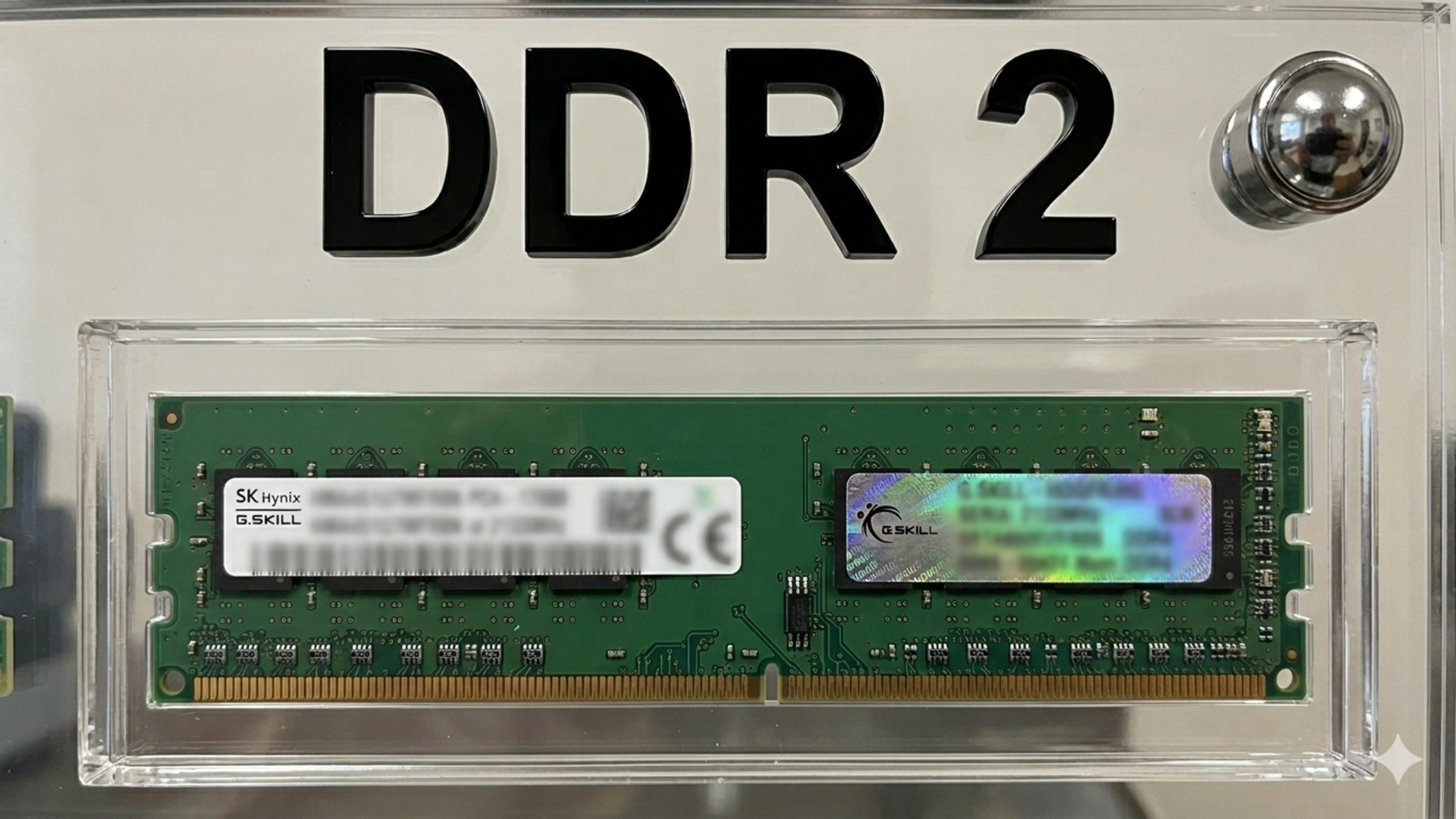
Recent market updates reveal that the price of 25‑year‑old DDR2 memory is poised to more than double, a development that might seem surprising in an era dominated by newer DRAM technologies. The catalyst behind this shift is not a sudden revival of legacy hardware, but rather the relentless appetite of AI infrastructure for high‑performance memory. As data centers expand to support generative models and large language processing, even the most aged memory modules are being pulled into the supply chain, creating a ripple effect that is reshaping pricing across multiple generations.
Why AI is Driving a RAM Armageddon
AI workloads differ fundamentally from traditional computing tasks. They require massive parallel processing, high bandwidth, and low latency, which are characteristics that newer DRAM generations—DDR4 and DDR5—naturally provide. However, the sheer scale of AI deployments means that demand for any DRAM capacity is outpacing supply. Several industry dynamics converge to explain the current price spike:
- Capacity Constraints: Modern fabs are operating near full utilization, and the lead times for new memory chips remain lengthy. This limits the ability to quickly augment supply.
- Legacy Re‑use: When newer modules are allocated to AI servers, secondary markets and refurbishment pipelines turn to older generations to fill gaps. DDR2, once considered obsolete, finds new purpose in less demanding roles such as embedded systems, industrial controllers, and hobbyist projects.
- Supply Chain Bottlenecks: Global logistics challenges, including shipping delays and component shortages, exacerbate the scarcity of even legacy parts.
The net result is a classic case of supply and demand: demand for DRAM has surged across the board, while the available pool of any generation is shrinking, pushing prices upward.
Ripple Effects Across Memory Generations
The impact of AI‑driven demand is not confined to DDR2 alone. Observers note that pricing pressure is evident in DDR3 and DDR4 segments as well, with each tier experiencing its own degree of volatility.
DDR4 and DDR3
- Prices for mainstream DDR4 modules have risen steadily, reflecting both higher production costs and the premium placed on speed and capacity for AI workloads.
- DDR3, while older, is still employed in legacy servers and certain embedded applications, and its market is now feeling the squeeze as buyers compete for limited stock.
DDR2
- The most dramatic shift is in DDR2, where the scarcity is amplified by its limited production runs and the fact that many original manufacturers have ceased support. Consequently, the secondary market price trajectory is steepening, with forecasts suggesting a doubling of costs in the near term.
These cascading price movements underscore a broader industry trend: the democratization of AI is reshaping hardware economics, and older technologies are being repurposed to sustain the ecosystem.
What This Means for the Industry and Users
For technology buyers—whether enterprises provisioning data centers or hobbyists assembling retro systems—these market dynamics introduce new strategic considerations.
- Budget Planning: Organizations must allocate larger portions of their hardware budgets to memory, potentially delaying other upgrades or prompting a reevaluation of architecture choices.
- Design Flexibility: Engineers may need to revisit specifications, considering whether a slightly slower DDR2 module can satisfy performance requirements, or whether alternative memory solutions, such as emerging non‑volatile memory technologies, can fill the gap.
- Lifecycle Management: Companies with extensive legacy equipment will face tougher decisions about whether to invest in refurbishing older machines with scarce DDR2 modules or to migrate to newer platforms.
Moreover, the situation highlights the interdependence of the entire DRAM ecosystem. A surge in demand for cutting‑edge AI hardware reverberates through the entire supply chain, reminding stakeholders that even “obsolete” components can become critical assets in a constrained market.
Takeaway
The impending price surge of 25‑year‑old DDR2 memory serves as a vivid illustration of how AI’s voracious appetite for DRAM is reshaping the entire memory market. While newer generations bear the brunt of demand, the ripple effect extends to legacy technologies, driving up costs for a broad spectrum of users. Planning ahead, exploring alternative memory options, and maintaining flexibility in hardware design will be essential strategies as the industry navigates this RAM‑driven transformation.