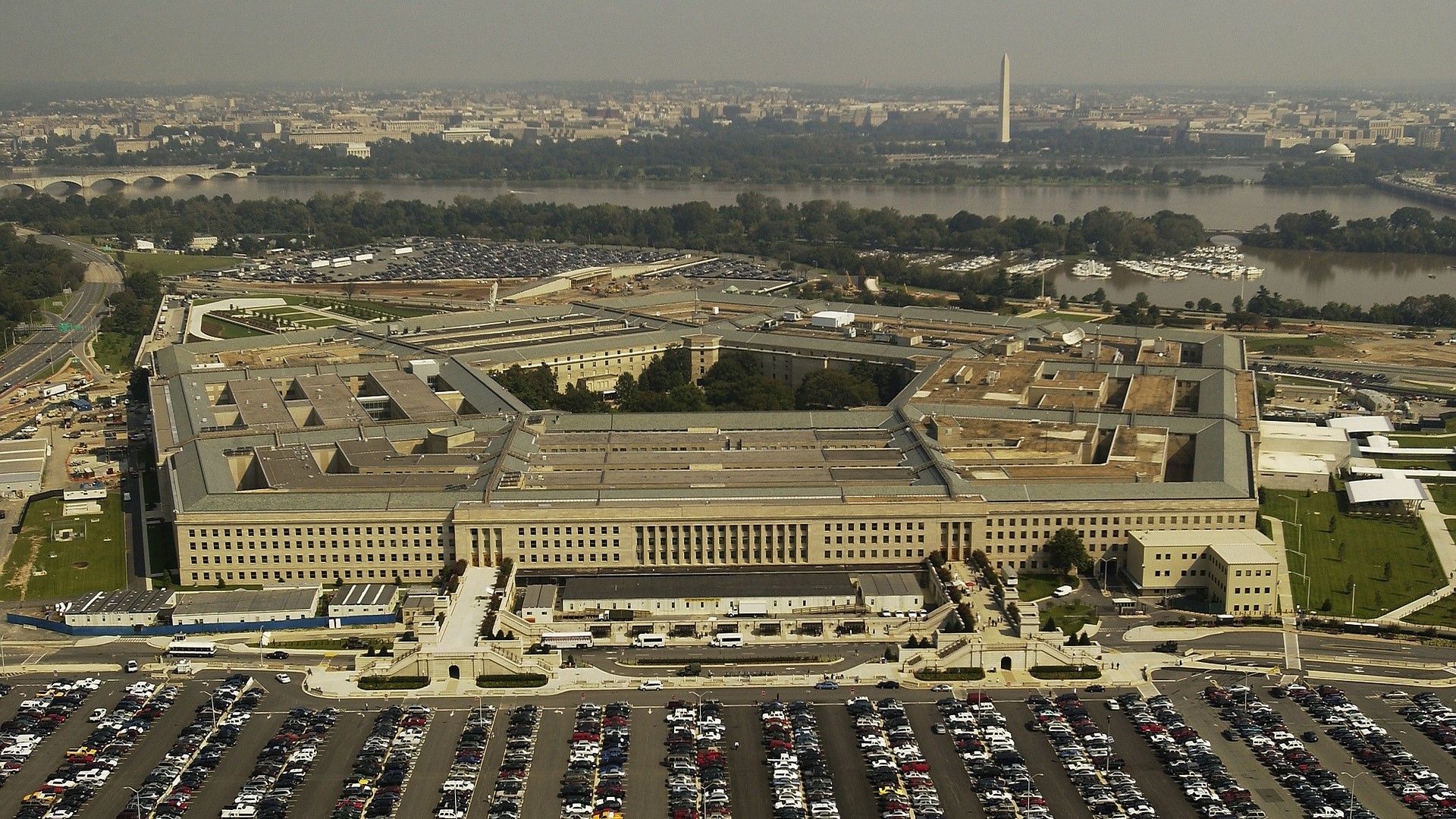
F-35 Fleet’s $1.6 Trillion Cost Scrutinized as Mission Readiness Stalls at 25%
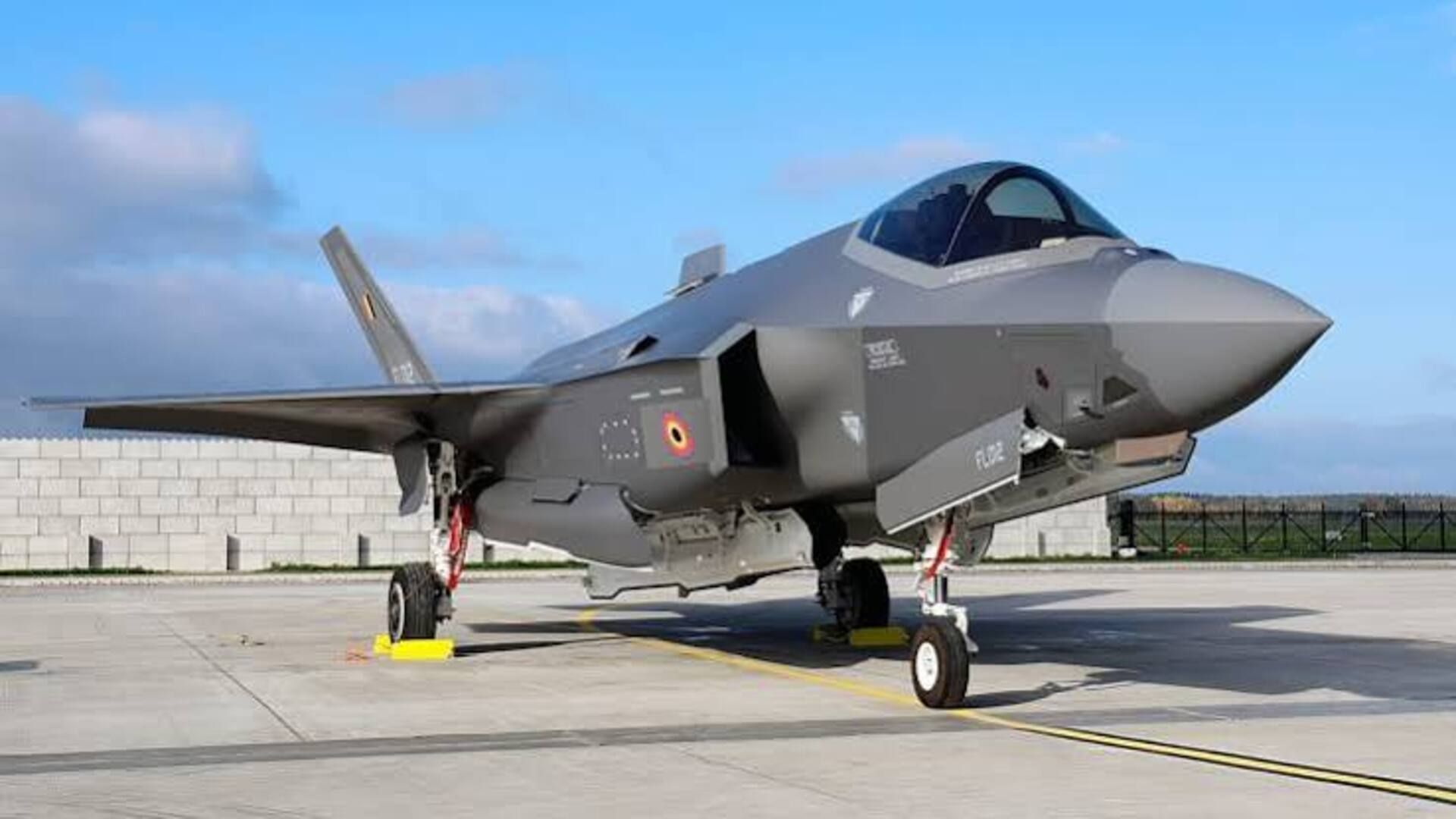
The F-35 Program: A $1.6 Trillion Ambition
The F-35 Lightning II was conceived as a cornerstone of modern air power, promising stealth, advanced sensors, and network‑centric warfare capabilities for the United States and its allies. Over the past two decades, the program has expanded to include three variants, a global supply chain, and a software architecture intended to evolve with emerging threats. Yet a recent Government Accountability Office (GAO) assessment paints a stark picture: the entire fleet, numbering more than 800 aircraft, is operating at just 25% full mission capability. This metric, which reflects the proportion of jets ready to execute their intended combat roles without restriction, falls far short of the program’s original expectations.
Why Mission Capability Matters
Full mission capability (FMC) is not merely an administrative checkbox. It represents the ability of a platform to deliver its designed combat effect under realistic conditions. For the F-35, FMC hinges on the integration of sophisticated software, avionics, weapons systems, and mechanical reliability. When a jet is not FMC, it cannot contribute to strategic deterrence, air superiority, or precision strike missions—capabilities that justify the massive investment.
The Gap Between Investment and Readiness
-
Investment scale: The program’s total cost now exceeds $1.6 trillion, encompassing development, production, sustainment, and upgrades.
-
Readiness rate: Only a quarter of the fleet meets FMC standards, a figure that has remained stubbornly low despite incremental improvements in recent years.
-
Operational impact: With fewer than one in four aircraft ready for full combat duty, the effective combat power of the F-35 fleet is significantly reduced, forcing planners to rely on older platforms or to accept mission limitations.
Root Causes: Software and Hardware Challenges
Software Issues
The F-35’s software suite, known as the Integrated Defensive Electronic Attack Software (IDES), is a complex, multi‑module system that must be continuously updated to address emerging threats and to integrate new weapons. The GAO report highlights several persistent problems:
-
Delayed software deliveries: Updates that were promised years ago have been repeatedly postponed, leaving aircraft operating with outdated or incomplete code.
-
Interoperability bugs: Integration between the flight control software, sensor fusion, and weapons management modules continues to produce errors that disable key functions.
-
Testing shortfalls: Simulated combat scenarios have repeatedly exposed bugs that were not caught during development, leading to emergency patches that further destabilize the system.
Hardware Failures
Beyond software, the aircraft’s physical components have exhibited chronic reliability issues:
-
Engine and turbine problems: The Pratt & Whitney F135 engine has experienced higher-than-expected failure rates, prompting unscheduled removals and extended downtime.
-
Landing gear and hydraulic systems: Mechanical failures in these subsystems have grounded aircraft during routine operations, compounding the readiness shortfall.
-
Supply chain constraints: Shortages of critical components, such as advanced composite materials and specialized avionics, have slowed repairs and limited the ability to bring aircraft back to service.
Broader Implications for Defense Strategy
The F-35’s struggles underscore a larger dilemma for the Department of Defense: how to balance investment in next‑generation platforms with the need for dependable, ready forces. Several strategic considerations emerge:
-
Budgetary pressure: The $1.6 trillion price tag already consumes a sizable portion of the Air Force and Navy’s procurement budgets. Persistent readiness gaps may force reallocations that affect other modernization efforts.
-
Alliance dynamics: International partners rely on the F-35 to maintain interoperability. A low FMC rate can erode confidence among allies and complicate joint training and operations.
-
Technological risk: The F-35’s reliance on a single, highly integrated software stack creates a single point of failure. Future platforms may need to adopt more modular architectures to reduce similar risks.
-
Readiness vs. capability trade‑off: Decision‑makers must weigh the strategic value of a cutting‑edge platform against the immediate need for a larger number of reliably mission‑ready aircraft.
Path Forward: Remediation and Reform
Addressing the FMC shortfall will require coordinated action across multiple domains:
-
Accelerated software development: Implementing agile development cycles, increasing testing rigor, and establishing clearer delivery milestones could help close the software gap.
-
Hardware reliability improvements: Investing in engine redesigns, enhancing maintenance practices, and securing the supply chain for critical parts are essential to raise mechanical readiness.
-
Incremental capability releases: Delivering functional blocks of software and hardware in smaller, verifiable increments may allow aircraft to achieve limited mission sets while the full system matures.
-
Transparent reporting: Ongoing, public GAO assessments can keep stakeholders informed and maintain pressure on program managers to meet targets.
Takeaway
The GAO’s latest findings reveal a stark mismatch between the F-35 program’s unprecedented cost and its current operational readiness. With only 25% of the fleet achieving full mission capability, the program faces profound challenges rooted in both software integration and hardware reliability. Closing this gap will demand disciplined software development, hardware upgrades, and a willingness to accept interim capabilities. For defense planners, the lesson is clear: even the most advanced platforms must prove their dependability before they can fulfill the strategic promises that justify their enormous price tags.