China’s $300B Data Center Grid Aims to Outpace US with Homegrown Chips
Introduction
Recent reports reveal that China is planning a massive $295 billion investment to build a nationwide AI data center grid. The initiative is designed to run on domestically produced silicon and is positioned as a direct challenge to U.S. leadership in artificial intelligence infrastructure. If realized, the project would represent one of the largest coordinated pushes toward AI‑ready compute capacity in history, with profound implications for global technology markets, supply chains, and geopolitical competition.
The Scale of the Initiative
- Investment magnitude: Nearly $300 billion, dwarfing most prior infrastructure projects.
- Geographic scope: A nationwide network, linking coastal megacities with inland hubs.
- Purpose: To provide the raw compute power needed for advanced AI research, autonomous systems, and cloud services at a scale that rivals or exceeds current U.S. capabilities.
The sheer size of the planned grid suggests a long‑term vision that goes beyond immediate commercial needs. It aligns with China’s broader “Digital China” strategy, which seeks to embed AI and data analytics into government services, industry, and everyday life.
Domestic Silicon as the Engine
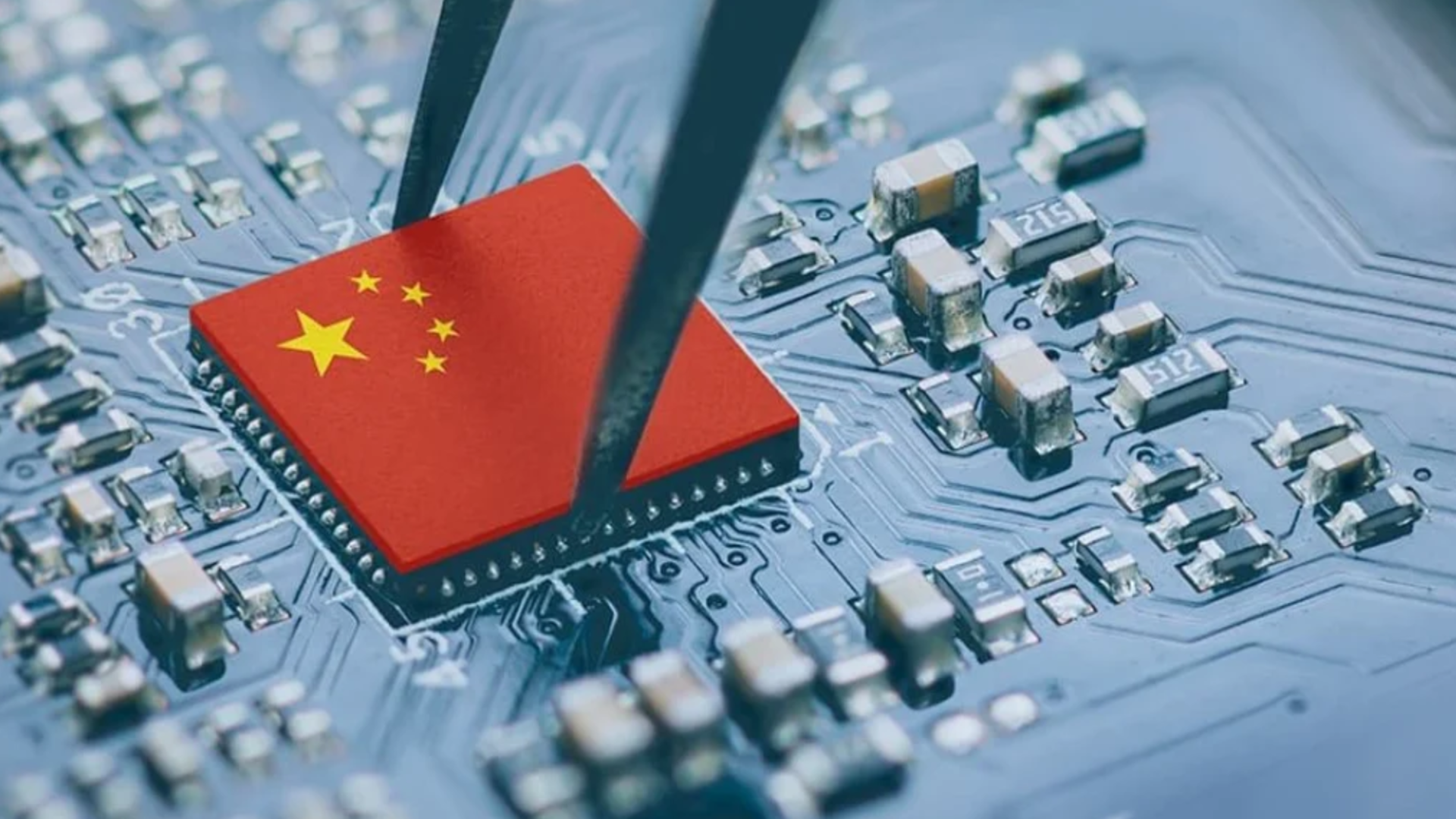
China’s push is tightly coupled with its semiconductor ambitions. The data center grid will rely heavily on home‑grown chips, a move intended to reduce dependence on foreign suppliers and to showcase the maturity of the domestic foundry ecosystem.
- Chip self‑sufficiency: The plan underscores the urgency of China’s semiconductor self‑reliance goals, especially after export controls on advanced processors.
- Performance targets: The grid is expected to deliver latency and bandwidth characteristics that match or surpass those of leading U.S. facilities.
- Innovation pipeline: By controlling the silicon stack, China aims to accelerate AI algorithm development, allowing researchers to fine‑tune models on hardware that is purpose‑built for their workloads.
While exact technical specifications remain undisclosed, industry analysts note that the initiative will likely incorporate a mix of high‑performance CPUs, GPUs, and specialized AI accelerators produced by Chinese foundries. Success in this area would mark a milestone for the domestic chip industry, which has faced steep technical and financial hurdles.
Strategic Players and Financing
The data center project is not a solitary effort; it brings together telecom operators, state‑backed investors, and provincial governments.
Key Participants
- Telecom giants: Major carriers are slated to provide the fiber backbone and connectivity essential for a low‑latency network.
- State‑owned enterprises: Entities such as China Telecom and China Mobile will likely operate portions of the grid, leveraging their existing infrastructure.
- Provincial authorities: Local governments will oversee site selection, power allocation, and land use, ensuring alignment with regional development goals.
Financing Structure
- Government‑backed funds: A blend of sovereign wealth, policy‑driven loans, and public‑private partnerships will front the capital.
- Strategic incentives: Tax breaks and subsidized electricity rates are expected to lower operating costs for the massive facilities.
This coordinated approach mirrors China’s past successes in large‑scale infrastructure, such as high‑speed rail and 5G networks, where state direction and financing accelerated deployment.
Geopolitical Implications
The data center grid is more than a technical undertaking; it is a statement in the ongoing tech rivalry between the United States and China.
- AI leadership contest: Control of extensive compute resources is a decisive factor in AI research and application development.
- Supply chain resilience: By using domestic chips, China reduces vulnerability to export restrictions that have previously hampered its AI ambitions.
- Global standards influence: A dominant Chinese AI infrastructure could shape emerging standards for data handling, model sharing, and cloud services.
For the United States, the announcement may spur increased investment in its own data center capacity and reinforce efforts to secure domestic semiconductor supply chains. The competition could also accelerate innovation on both sides, benefiting the broader tech ecosystem.
Challenges Ahead
Despite the ambitious scope, several hurdles could temper expectations.
- Technical maturity: Chinese foundries are still catching up to the most advanced node technologies required for cutting‑edge AI accelerators.
- Power consumption: A nationwide grid of this magnitude will demand enormous electricity, raising sustainability concerns and potentially straining regional power grids.
- Economic viability: The projected return on investment depends on a robust market for AI services, which may take years to materialize at the anticipated scale.
- Regulatory environment: Ongoing scrutiny of Chinese tech initiatives abroad could affect international partnerships needed for software and ecosystem development.
Addressing these challenges will require not only capital but also sustained policy support, talent development, and international collaboration in areas where China still relies on foreign expertise.
Takeaway
China’s $300 billion data center grid represents a bold, state‑driven bid to secure AI supremacy through domestic silicon and nationwide compute capacity. While the initiative showcases impressive coordination among telecom operators, provincial governments, and state investors, its success hinges on overcoming technical gaps in chip manufacturing, managing massive power demands, and proving economic viability. The project signals a deepening tech rivalry with the United States and could reshape global AI infrastructure, but practical challenges mean that the path to outperformance will be as complex as the grid itself.